Tire Change Cost in Cookeville, TN: What to Expect
A flat tire never picks a convenient moment. It happens on the shoulder of I-40 with semis roaring past, in a parking lot off West Jackson Street when you are already running late, or on a dark stretch of TN-111 where changing a wheel yourself feels anything but safe. The first question most drivers ask once the surprise wears off is a practical one: what is this going to cost me? This guide breaks down what a tire change actually costs in Cookeville and Putnam County, what makes the price go up or down, and when calling for a roadside change or a quick tow is the smarter move than fighting a lug wrench on the side of the road.
Before we get into numbers, it helps to be clear about what "tire change" even means, because the phrase covers two very different jobs with very different price tags. Knowing which one you actually need is the key to not overpaying.
Roadside Tire Change vs. New Tire: Two Different Costs
When people search for tire change cost, they are usually thinking about one of two situations, and it is worth separating them right away.
The first is a roadside spare swap. You have a flat, you have a usable spare in the trunk or under the truck bed, and you just need someone to safely remove the flat and bolt the spare on so you can get moving again. This is a labor-only service. Nobody is selling you a tire; they are simply doing the physical work of the change, often in a spot where doing it yourself would be dangerous.
The second is buying and mounting a brand-new tire at a shop. That price includes the tire itself, mounting, balancing, a new valve stem, and disposal of the old one. This is the number that varies wildly, because a budget tire for a compact car and a premium tire for a lifted truck are worlds apart in price.
Most roadside calls in Cookeville are the first kind: get the spare on, get the driver safely to a tire shop, and let the shop handle the new tire during business hours. Keeping those two costs separate in your head is the fastest way to understand any quote you are given.
What a Roadside Tire Change Costs in Cookeville
For a straightforward spare swap in the Cookeville area, you can generally expect a roadside tire change to land somewhere in the range of 65 to 125 dollars. That covers a licensed, insured technician coming to your location, safely jacking the vehicle, removing the flat, torquing the spare on correctly, and making sure you are clear to drive. The spread in that range comes down to a handful of real-world factors, which we will get into below.
Here is a rough picture of how the common scenarios tend to price out locally:
| Situation | Typical Cost Range |
|---|---|
| Daytime spare swap, easy access, in town | $65 - $90 |
| Late-night or highway-shoulder change | $95 - $125 |
| Seized lug nuts or wheel lock complications | $110 - $150+ |
| No spare — short tow to a tire shop instead | Tow rate (often $75 - $125 in town) |
These figures are honest local ballparks, not a rigid price sheet. The reason we quote ranges rather than one flat number is that no two flat-tire calls are exactly alike, and the details of your situation genuinely move the price. Any towing or roadside company that gives you a firm number over the phone without asking a few questions is guessing.
What Actually Affects the Price of a Tire Change
If you understand what drives the cost, you will never be caught off guard by a quote. These are the factors that matter most on a roadside tire change in Putnam County.
- Time of day. A change at 2 p.m. on a Tuesday costs less than one at 2 a.m. on a Saturday. Overnight, holiday, and severe-weather calls carry higher rates because they require someone to come out at an inconvenient hour.
- Your location. A swap in a flat, well-lit parking lot in town is quick and low-risk. A change on the shoulder of I-40 between Exits 280 and 300, or on a blind curve along TN-111 toward Livingston, takes more setup, more safety gear, and more time, which is reflected in the price.
- Lug nut and wheel condition. Seized, over-torqued, or rusted lug nuts, and factory wheel locks with a missing key, turn a five-minute job into a much longer one. Aluminum wheels that have corroded onto the hub can also fight back.
- Vehicle type. A sedan spare is light and easy. A full-size truck, van, or SUV with a heavy spare mounted underneath the vehicle takes more muscle and time to lower and install.
- Whether you have a usable spare at all. This is the big one, and it deserves its own section.
The "I Don't Have a Spare" Problem
Here is a trend that surprises a lot of drivers: many newer vehicles no longer come with a spare tire at all. To save weight and cost, manufacturers increasingly ship cars with a tire-inflator sealant kit or run-flat tires instead. That is fine right up until you have a sidewall puncture or a blowout that sealant cannot fix, and suddenly there is nothing to swap onto the car.
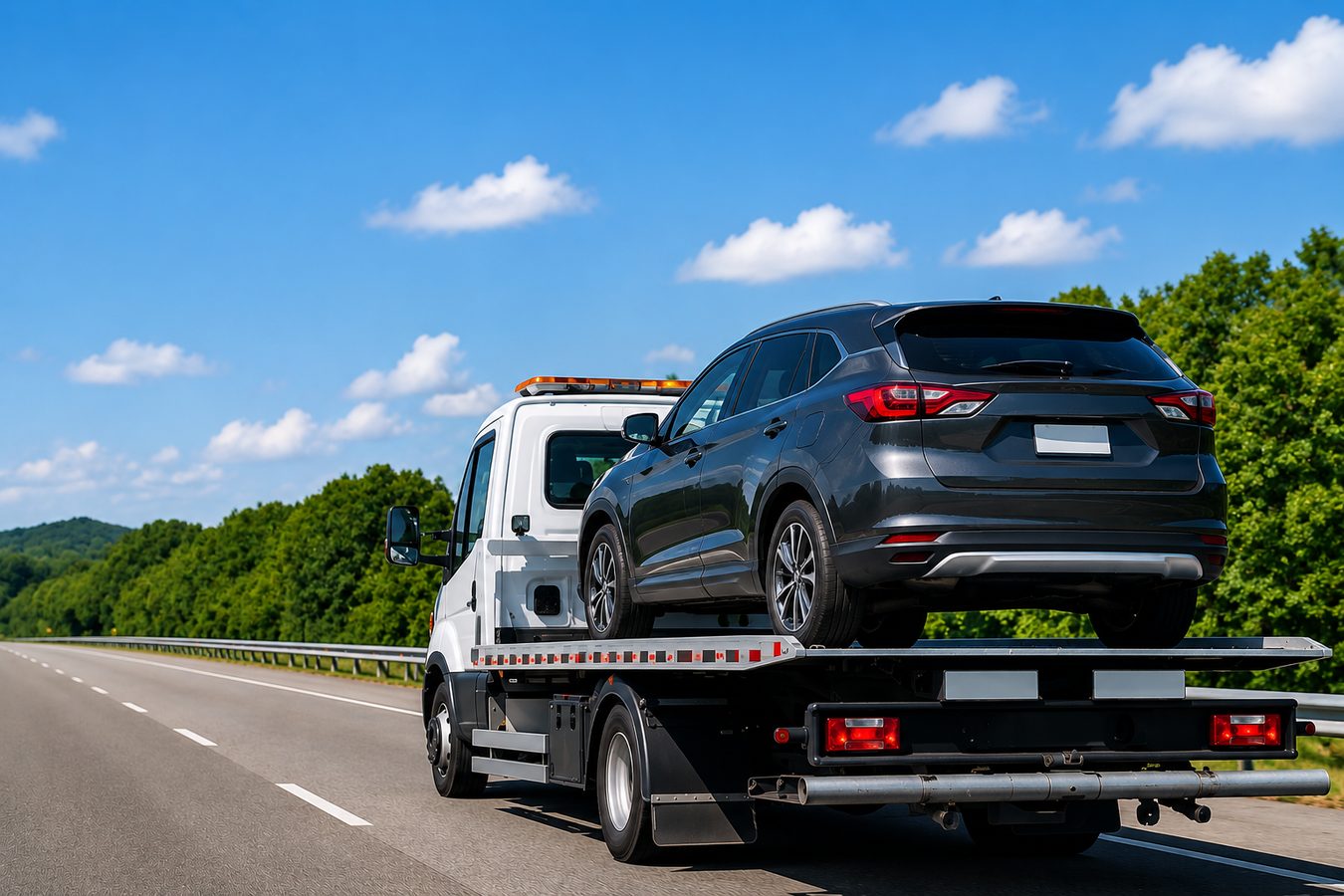
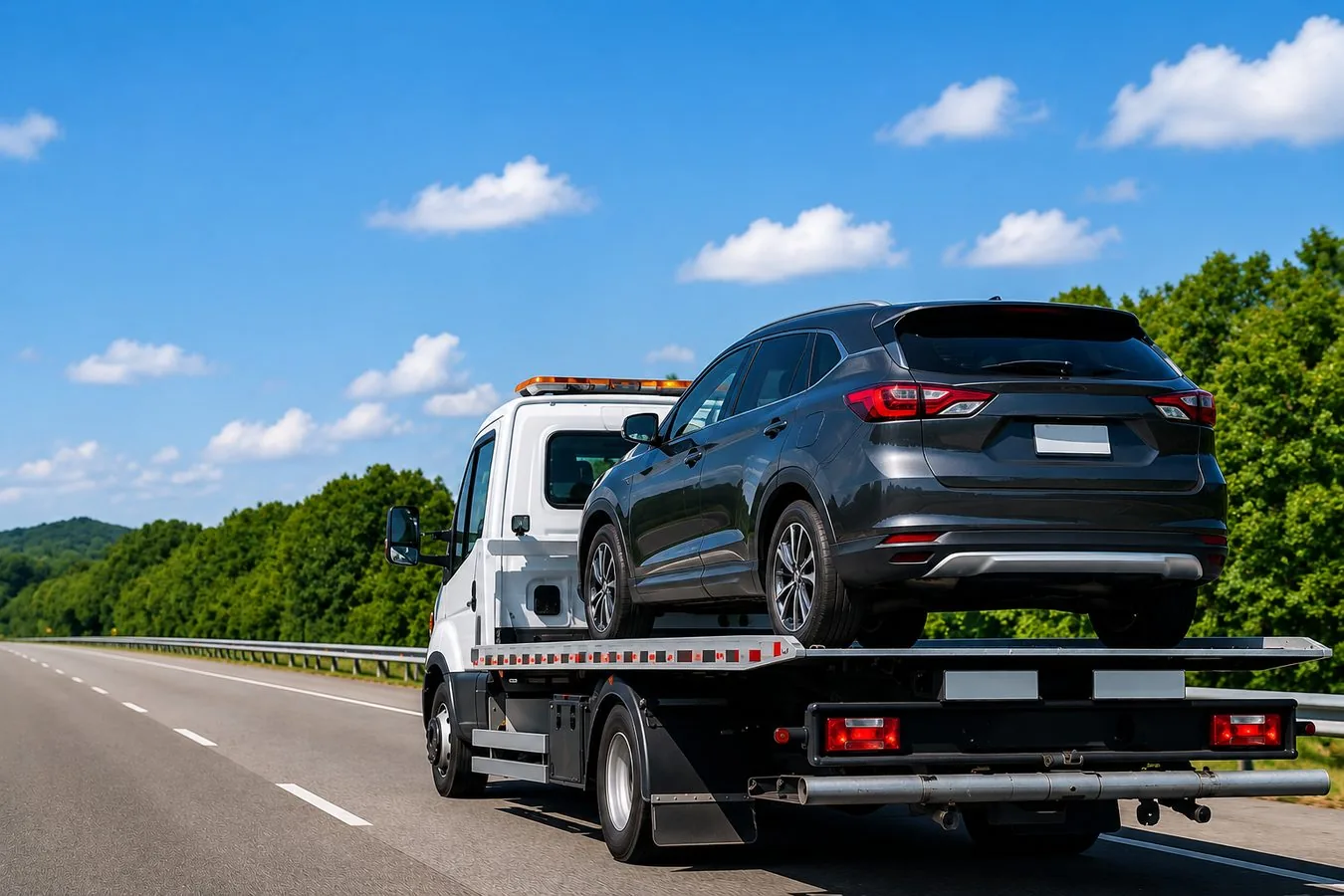
When there is no spare, a roadside change is off the table because there is simply no tire to install. In that case the right move is a short flatbed or wheel-lift tow to a tire shop in Cookeville, where they can mount and balance a new tire properly. It might feel frustrating to tow a car over a single flat, but it is almost always cheaper and safer than the alternatives, and it gets you back on a real tire the same day rather than limping along on a dying run-flat.
It is worth checking your own trunk this week, before anything goes wrong. Know whether you have a spare, confirm it actually holds air, and make sure the jack and lug wrench are where they should be. The U.S. government's tire-safety resources at NHTSA.gov are a solid, plain-English place to learn how to check tire condition and pressure so you catch problems before they leave you stranded.
DIY vs. Calling a Pro: When Each Makes Sense
Plenty of Cookeville drivers are perfectly capable of changing their own tire, and in the right conditions, doing it yourself is genuinely the cheapest option. If you are in a safe, level spot well off the roadway, you have all your equipment, and the lug nuts cooperate, there is nothing wrong with handling it in your own driveway or a quiet parking lot.
The calculus changes fast, though, when safety or difficulty enters the picture. Changing a tire on the traffic side of a vehicle on I-40 is one of the more dangerous things a driver can do, and it is exactly the situation where roadside deaths happen. It is also not worth risking a back injury wrestling a heavy truck spare, or rounding off a seized lug nut and turning a flat into a full breakdown. The modest cost of a professional change buys you safety, speed, and the peace of mind that the wheel is torqued correctly so it will not come loose down the road.
A good rule of thumb: if you are off the road, unhurried, and confident, do it yourself. If you are near live traffic, in the dark, in bad weather, physically unable, or the job is fighting you, that is the moment to call. No tire is worth your safety.
Why Call Cookeville Towing for a Flat Tire
Cookeville Towing is a local, licensed and insured, DOT compliant operation, and roadside flat-tire help is one of the most common calls we run. Whether you need a straightforward spare swap or a flatbed to carry a spareless car to the shop, we handle it the same way we handle every job: fast, friendly, and priced honestly with no surprise add-ons once we arrive. We cover Cookeville and the whole 38501 area, plus Algood, Baxter, Monterey, Sparta, Livingston, and Crossville, and we run the I-40 corridor at Exits 280 through 300 and along TN-111 around the clock. Our typical response time is 30 to 45 minutes, day or night, and we will always tell you up front whether a change or a short tow is the better call for your situation.
Flat Tire in Cookeville? We'll Come to You.
24/7 roadside tire changes and flatbed towing across Cookeville and all of Putnam County. Fast, friendly, licensed and insured.
📞 Call (931) 465-6153 NowFrequently Asked Questions
How much does a roadside tire change cost in Cookeville?
A roadside spare-tire swap in the Cookeville area typically runs about 65 to 125 dollars, depending on time of day, your location, and whether the lug nuts are seized or the spare is hard to reach. That price is for swapping your usable spare onto the car so you can drive to a tire shop. It does not include the cost of a brand-new tire, which is a separate purchase at the shop.
What if I do not have a spare tire?
Many newer vehicles ship with a sealant kit or run-flats instead of a spare, so there is nothing to swap on the shoulder. In that case the smart move is a short flatbed or wheel-lift tow to a tire shop in Cookeville, where they can mount a new tire. We cover Cookeville, Algood, Baxter, Monterey, and the I-40 corridor 24/7 and can usually reach you in 30 to 45 minutes.